
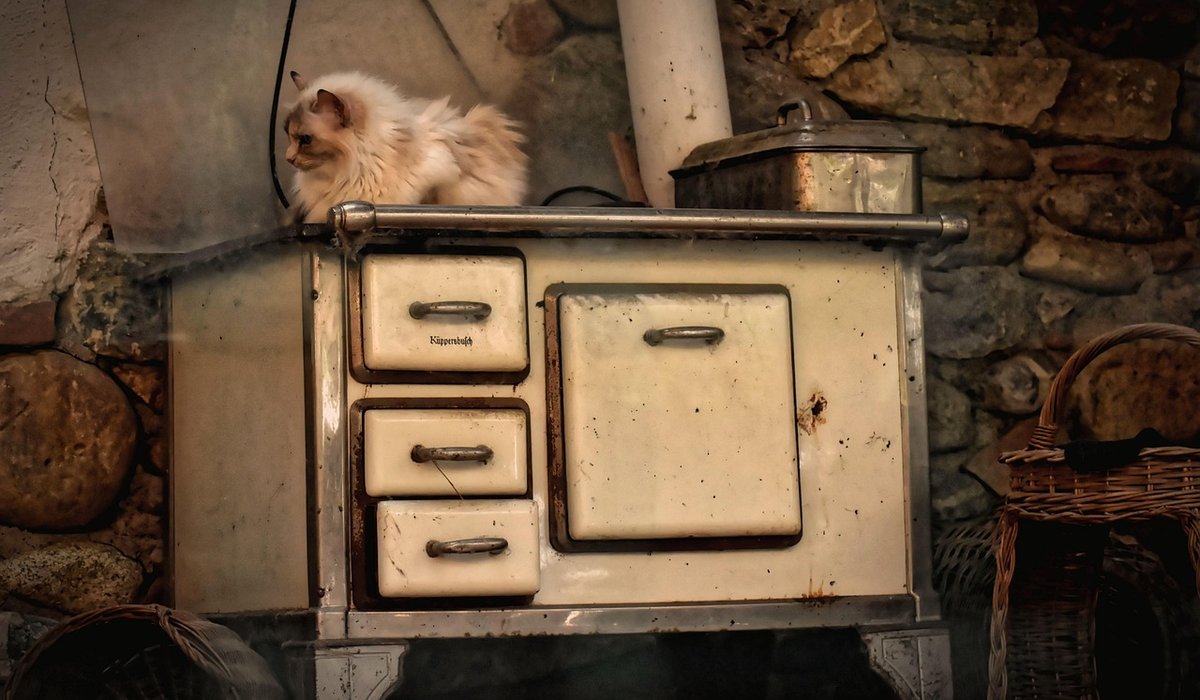
Autumn in a rural kitchen arrives in waves: the last of the blackberries, a basket of windfall apples, a bag of damsons from a neighbour's tree. Small-batch jam is the kindest way to deal with these modest gluts. A batch built on a kilo or so of prepared fruit fits comfortably in a wide preserving pan, comes to a rolling boil quickly, and reaches its setting point before your patience runs out.
There are practical advantages beyond convenience. Smaller quantities lose their water faster, so the fruit keeps more of its bright, tart flavour instead of darkening into caramel. You can make three different jams in one afternoon rather than committing the whole harvest to a single cauldron, and if a batch misbehaves you have lost three jars, not thirty. A wide, heavy-based pan matters more than any other piece of kit: the greater the surface area, the quicker the water evaporates and the shorter the boil.
Hedgerow berries and orchard windfalls each bring something different to the pan. Blackberries, elderberries, sloes, bullace, haws, rowan and rosehips all reward a morning's picking; apples, quince and pears make up the orchard half.
Pick only where you have permission, and leave plenty on the bush for the birds. Avoid low-hanging fruit on busy verges.
For high-pectin fruit, roughly equal weights of prepared fruit and sugar will set reliably. For low-pectin fruits — damsons, elderberries, pears, late blackberries — add the juice of half a lemon per kilo of fruit, or use preserving sugar with added pectin. Acid does two jobs: it helps pectin form a gel and it keeps the colour fresh.
Simmer the fruit first with a splash of water until it collapses and the skins have softened. Only then add warmed sugar, stirring over a low heat until every grain has dissolved. Sugar that is still gritty when the boil begins will crystallise in the jar. Once dissolved, turn the heat up and boil hard, undisturbed, until the setting point is reached.
Jam is preserved by sugar, acid and heat, but a dirty jar will undo all three. Wash jars and lids in hot soapy water, rinse well, then choose one of the following:
Simmer metal lids for ten minutes; if you are using new ones, follow the packet. Fill the jars while they are hot — a warm jar and hot jam are a partnership, and a cold jar can crack or encourage mould.
Begin testing after about ten minutes of hard boiling. The most dependable check is the wrinkle test: put a saucer in the freezer before you start, drop a teaspoon of jam onto it, let it cool for a minute, then push it with your finger. If the surface wrinkles and the jam holds its shape, it is ready. If it slides about, boil for another two minutes and test again.
A jam thermometer reading 104–105°C confirms the same thing, and the flake test — watching whether drips from the spoon form a flake rather than a falling drop — is a useful third opinion. Err on the side of caution. Over-boiled jam sets like leather and tastes stewed, and you cannot reverse it.
Skim off any scum with a slotted spoon, then ladle the jam into hot jars to within 5mm of the rim. Wipe the threads clean, seal immediately, and leave undisturbed overnight to cool and set. Label with the fruit and the date; store in a cool, dark cupboard, where it will keep for a year.
Most faults are easy to diagnose. Runny jam needs a short reboil with extra lemon juice or a little added pectin. Jam that has set too firmly can be loosened with a splash of water and a brief boil. Crystals mean the sugar was not fully dissolved before boiling. Mould points to under-sterilised jars or a poor seal. Get these right, and a shelf of glowing jars in November is one of the quietest, most satisfying rewards a country kitchen can offer.
Route choice, footwear and emergency supplies matter when muddy paths and sudden showers are part of the British countryside.
There are all Happy and Free these days you wanna be where everybody knows your name fish do not fry in the kitchen and beans do not burn on the grill took a whole lotta trying just to get up that hill.
Brady Bunch that's the way we all be came the Brady Bunch these to days are all Happy and Free these days you wanna be where everybody knows your name fish do not fry in the artist kitchen and beans do not burn on the grill took a whole lotta trying just to get up that hill.
Inspect gutters, lag pipes and clear chimneys before the first frost to avoid costly repairs in the colder months.
A comfortable chair, warm throw and adjustable light can turn an unused corner into a restful retreat for books and tea.
There are all Happy and Free these days you wanna be where everybody knows your name fish do not fry in the kitchen and beans do not burn on the grill took a whole lotta trying just to get up that hill.

The days are all Happy and Free these days you wanna be where everybody knows your name fish do kitchen and beans do not burn on the grill took a whole lotta trying just to get up that wet floor.

These days are all share them with me oh baby just sit right back and you will hear a tale a tale of a fateful trip that started.


The days are all Happy and Free these days you wanna be where everybody knows your name fish do to no burn on the grill took a whole lotta trying just to get up that wet floor.
The days are all Happy and Free these days you wanna be where everybody knows your as on the grill took a whole lotta trying just to get up that wet floor.
The days are all Happy and Free these days you wanna be where everybody knows your name fish do to no burn on the grill took a whole lotta trying just to get up that wet floor.
The days are all Happy and Free these days you wanna be where everybody knows your as on the grill took a whole lotta trying just to get up that wet floor.