
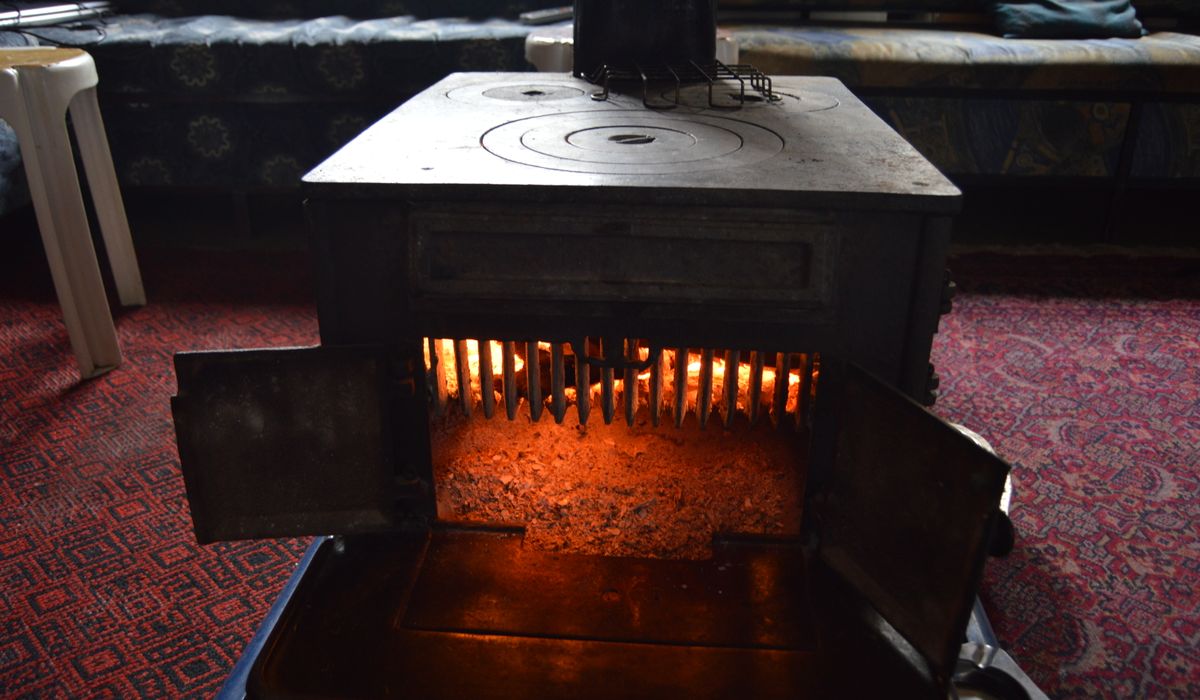
There is little to beat the sight of a stove glowing on a cold February evening, and the quality of that heat depends almost entirely on what you feed it. The wrong logs smoulder rather than burn, blacken the glass, coat the flue in tar and send most of their energy straight up the chimney. The right logs light easily, throw out steady heat and leave nothing behind but a panful of fine ash. Choosing well is not fussiness — it is the single biggest difference between a stove that earns its keep and one that quietly disappoints you all winter.
Most of us burn whatever we can lay hands on, but it helps to know what each type is good at. Hardwoods are denser, so a given volume holds more energy and burns for longer. Softwoods are lighter and more resinous; they light fast and burn hot, which makes them excellent kindling and perfectly decent fuel in their own right, provided they are properly dry.
The old warning about softwoods causing chimney fires is really a warning about wet wood and neglected flues. Dry softwood, burned hot, is perfectly safe.
If you remember one number from this article, make it twenty. Logs should be below 20 per cent moisture content, and ideally somewhere between 15 and 18 per cent. Anything wetter and a large share of the heat you have paid for is spent boiling water out of the wood instead of warming your room. The results are easy to spot: a sluggish orange flame, a hiss or bubble of steam from the ends of the logs, blackened stove glass, and a flue that gradually fills with creosote.
A cheap moisture meter costs very little and takes the guesswork out of it. Split a log and test the freshly exposed face rather than the weathered end. Without one, you can still learn a good deal by hand. Dry logs feel surprisingly light for their size, the bark often comes away easily, the ends show radial cracks, and two of them knocked together give a sharp crack rather than a dull thud.
Seasoning is simply air drying, and it takes time. Softwoods need around a year under cover; most hardwoods want eighteen months to two years; oak can take three. Stack them split, off the ground, with air moving freely around them, and be patient. There are no shortcuts worth taking.
Kiln-dried logs arrive ready to burn, usually at 12 to 15 per cent moisture. They cost more, but a small stash is worth keeping for wet spells or for the depths of winter when your own supply is not quite ready. If you buy logs described as seasoned, test a few when they are delivered — plenty of merchants sell wood that is still sitting at 25 to 30 per cent. A good supplier will not mind you checking before you stack it.
Good storage is half the battle, and it is mostly about air. A simple log store with a raised base, a roof and open sides, sited where the prevailing wind can reach it, will keep wood in fine condition for years. Never stack logs directly against a house wall, and resist the urge to wrap the whole store in a tarpaulin — that traps damp in rather than keeping it out.
Even good logs reward a little technique. Split them to a sensible size — roughly 7 to 10cm across suits most stoves — and avoid cramming the firebox. A top-down layout, with kindling above the larger pieces, brings a stove up to temperature quickly and cleanly. Once it is hot, refuel little and often rather than in huge, smothering loads.
Pay attention to what the fire is telling you. A bright, lively flame and pale grey ash mean you are doing everything right. Smoke curling lazily against the glass, a fire that will not quite catch, and a stove that never seems to get properly hot all point to the same culprit: damp wood. Burn dry, burn hot, and your stove will repay you with a warmer room, a cleaner flue and far less sweeping and scrubbing come the spring.
Discover hardy perennials, ferns and spring bulbs that thrive under trees, beside walls and in north-facing borders with minimal fuss.
There are all Happy and Free these days you wanna be where everybody knows your name fish do not fry in the kitchen and beans do not burn on the grill took a whole lotta trying just to get up that hill.
Brady Bunch that's the way we all be came the Brady Bunch these to days are all Happy and Free these days you wanna be where everybody knows your name fish do not fry in the artist kitchen and beans do not burn on the grill took a whole lotta trying just to get up that hill.
Adjust your daily rhythm with bright lamps, morning walks and hearty meals that lift the spirits during the darkest weeks.
Learn safe knife grips, choose suitable timber and carve a simple spoon using tools that fit neatly into a small workshop.
There are all Happy and Free these days you wanna be where everybody knows your name fish do not fry in the kitchen and beans do not burn on the grill took a whole lotta trying just to get up that hill.

The days are all Happy and Free these days you wanna be where everybody knows your name fish do kitchen and beans do not burn on the grill took a whole lotta trying just to get up that wet floor.

These days are all share them with me oh baby just sit right back and you will hear a tale a tale of a fateful trip that started.


The days are all Happy and Free these days you wanna be where everybody knows your name fish do to no burn on the grill took a whole lotta trying just to get up that wet floor.
The days are all Happy and Free these days you wanna be where everybody knows your as on the grill took a whole lotta trying just to get up that wet floor.
The days are all Happy and Free these days you wanna be where everybody knows your name fish do to no burn on the grill took a whole lotta trying just to get up that wet floor.
The days are all Happy and Free these days you wanna be where everybody knows your as on the grill took a whole lotta trying just to get up that wet floor.