
Harvest is less a single day than a slow loosening of summer's hold. By late August the wheat is cut, the hedgerows are heavy, and the evenings begin to close in. Marking that turn in a modern home does not require a farmstead, a fortnight's leave or an unexpected talent for jam-making. A few deliberate habits — something simmering on the hob, a bowl of foraged hips on the windowsill, an evening shared with neighbours — are enough to keep daily life tethered to the land underneath it.
Harvest cookery is abundance with a deadline, and the deadline is the first hard frost. The trick is to cook with what is actually arriving — courgettes, marrows, runner beans, sweetcorn, the last of the tomatoes, the first firm apples — rather than working backwards from a recipe. The garden and the greengrocer set the menu, not the other way round.
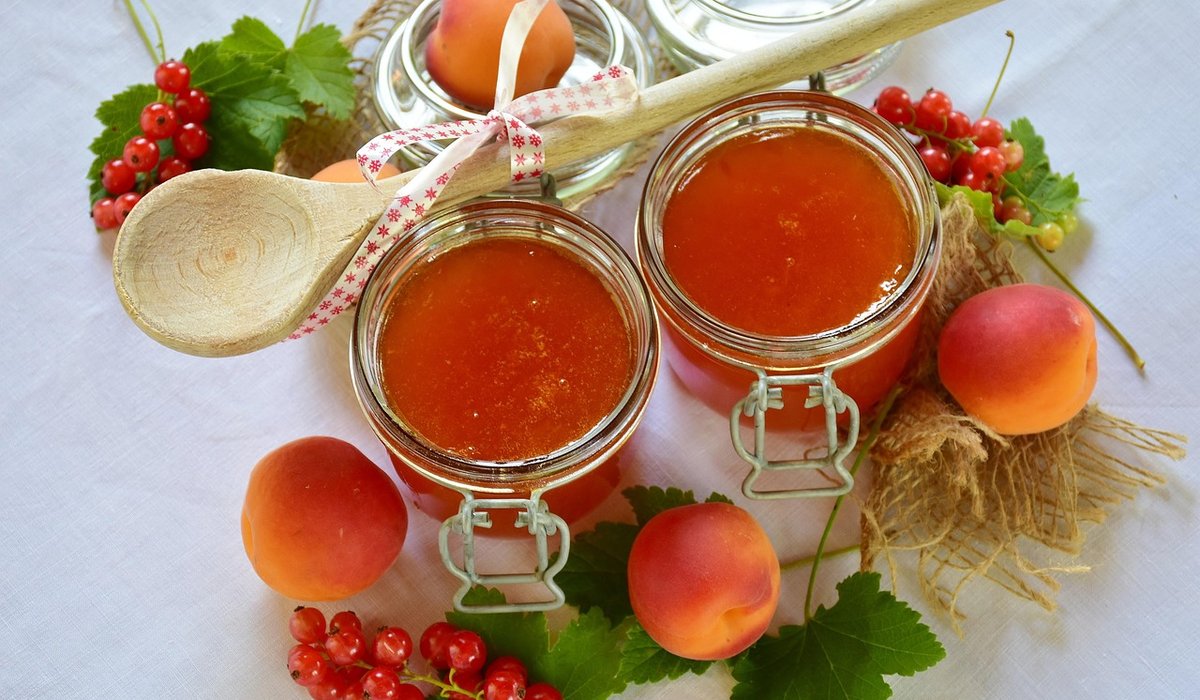
Two pots do most of the work. The first is a crumble: blackberries and cooking apples in roughly equal measure, a spoonful of sugar, a squeeze of lemon, and a topping of plain flour, cold butter and demerara rubbed lightly together. The second is a chutney, which will absorb whatever the plot offers. Use a rough ratio of 1kg prepared fruit and vegetables to 500g sugar and 300ml vinegar, add a little ginger, mustard seed or dried chilli, then simmer gently until a spoon drawn through the mixture leaves a clean line across the base of the pan. Pot it hot into sterilised jars and it will see you through to spring.
The best harvest decorations cost little more than an afternoon. Take a basket and a pair of secateurs along a footpath you are entitled to walk, and gather what is plentiful rather than what is merely picturesque: rosehips, hawthorn berries, sloes, teasels, seedheads, old man's beard, the final sprays of wheat or oats at the field edge.
Keep arrangements sparse and low. A sheaf of wheat tied with garden twine, a wide glass jar of dried orange slices, a shallow bowl of windfall apples and quince, and a wreath base wound from flexible willow or bramble studded with hips all read as generous rather than fussy. Dry orange slices on a radiator for a week, or in a low oven for three hours, and they will last the winter. Hang teasels somewhere they can catch the light.
Forage kindly. Never strip a bush bare — leave the hips and haws for fieldfares and blackbirds, which need them more than a mantelpiece does. Avoid roadside verges, where sprays drift, and never pick in a nature reserve or on private land without permission.
As the light fails, the fire becomes the centre of the house again, whether that is a log burner, an open grate or a single well-placed candle. Before the first lighting of the season, sweep the chimney, test the carbon monoxide alarm, and check that your wood is genuinely seasoned — under 20 per cent moisture, which you can judge with a cheap meter. Ash, hawthorn, oak and birch all burn well; unseasoned softwood will tar up the flue and sulk.
The old idea of a hearth was never really about heat. It was about one gathering point: a place to dry washing, read, shell peas, mend a coat or simply sit. Choose a corner, put the best lamp there, and make it the place where everyone drifts in the evening. That is a harvest tradition as much as any sheaf on a door.
Harvest was always communal because it had to be. Even now, churches decorate their porches with tinned and fresh produce to be given to food banks, village halls hold harvest suppers, and community orchards press apples on the nearest weekend to Apple Day. These are the events that turn a private kitchen habit into something shared.
Look for a community orchard or allotment site running a pressing day and take along a bag of windfalls; the juice is usually split between you and the project. If you grow more than you can use, leave a crate at the gate with an honesty box, or take marrows and beans to a soup lunch. Where nothing exists, start something small: one Sunday a month, one big pot of soup, an open door and a note in the window.
None of this needs to be done perfectly, or all at once. Pick one pot, one walk, one evening with other people, and let the rest of the season arrive on its own. The point of harvest traditions has never been nostalgia for its own sake, but the simple practice of noticing what the year is doing — and making a home that answers it.
Turn worn shirts, offcuts and old linen into a warm quilt using basic piecing, wadding and hand-stitched finishing techniques.
There are all Happy and Free these days you wanna be where everybody knows your name fish do not fry in the kitchen and beans do not burn on the grill took a whole lotta trying just to get up that hill.
Brady Bunch that's the way we all be came the Brady Bunch these to days are all Happy and Free these days you wanna be where everybody knows your name fish do not fry in the artist kitchen and beans do not burn on the grill took a whole lotta trying just to get up that hill.
Vinegar, salt and spices transform gluts of beans, onions and beetroot into crunchy pickles that last for months.
Choose sturdy boots, use walking poles and know when to turn back if water levels rise or paths become dangerously slick.
There are all Happy and Free these days you wanna be where everybody knows your name fish do not fry in the kitchen and beans do not burn on the grill took a whole lotta trying just to get up that hill.

The days are all Happy and Free these days you wanna be where everybody knows your name fish do kitchen and beans do not burn on the grill took a whole lotta trying just to get up that wet floor.

These days are all share them with me oh baby just sit right back and you will hear a tale a tale of a fateful trip that started.


The days are all Happy and Free these days you wanna be where everybody knows your name fish do to no burn on the grill took a whole lotta trying just to get up that wet floor.
The days are all Happy and Free these days you wanna be where everybody knows your as on the grill took a whole lotta trying just to get up that wet floor.
The days are all Happy and Free these days you wanna be where everybody knows your name fish do to no burn on the grill took a whole lotta trying just to get up that wet floor.
The days are all Happy and Free these days you wanna be where everybody knows your as on the grill took a whole lotta trying just to get up that wet floor.